01
Basics of psychiatry
Psychiatric assessment, psychiatric examination, consciousness, attention, thought, perception, mood, affect, insight, judgement, DSM-5-TR, ICD-11, and diagnostic reasoning.
DIGITAL ACCESS · 10 CARDSPSYCHIATRY • MENTAL HEALTH • MEDICINE • NURSING
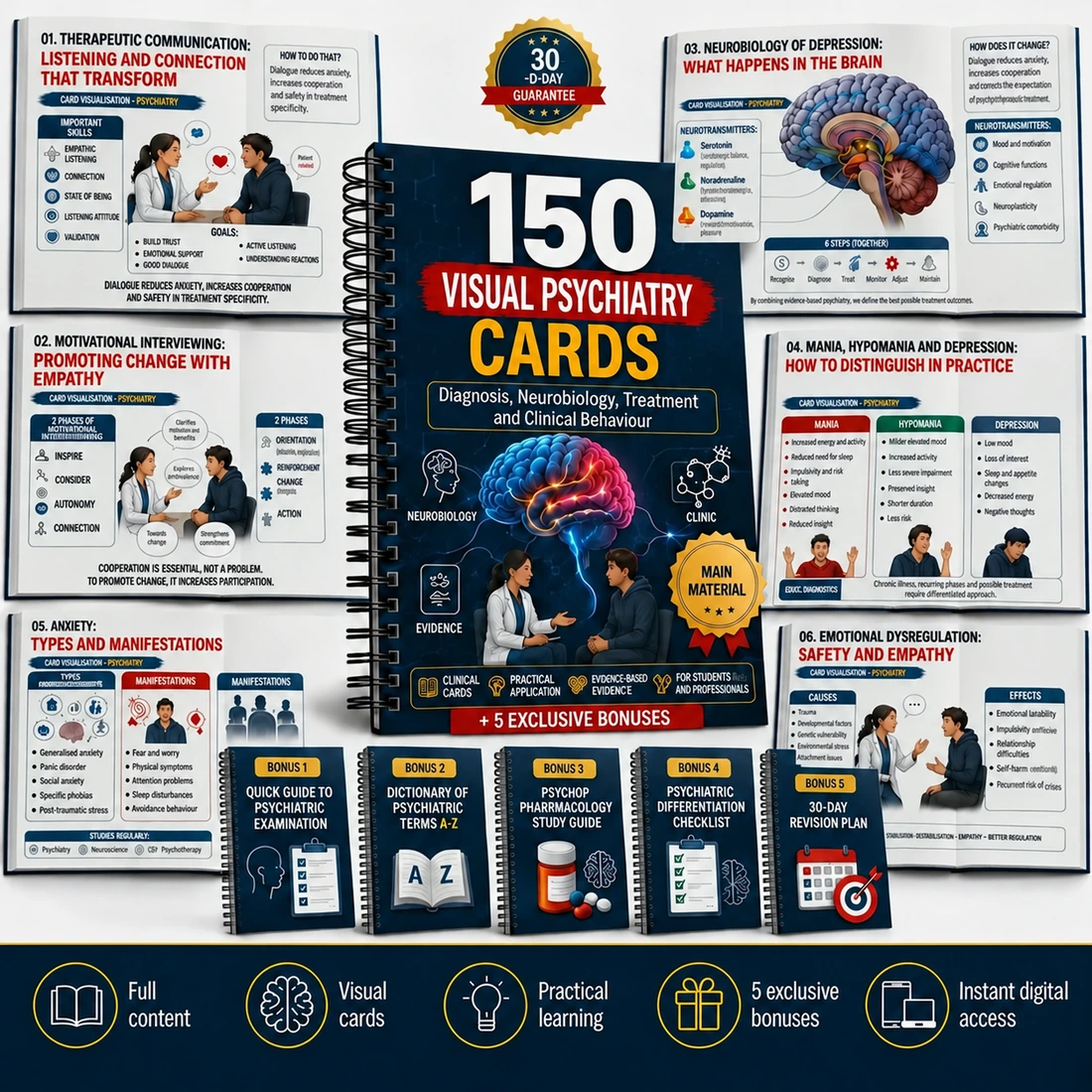
Get access to 150 visual psychiatry cards showing disorders, symptoms, neurobiology, medication, diagnostics, and clinical management on clear, illustrated pages. Diagnosis, brain, symptoms, and treatment combined in one clear picture.
PREVIEW
Instead of trawling through long chapters for a single topic, you get the most important information clearly laid out in illustrated cards with comparisons, diagrams, brain structures, neurotransmitters, symptoms, warnings, and clinical presentations.
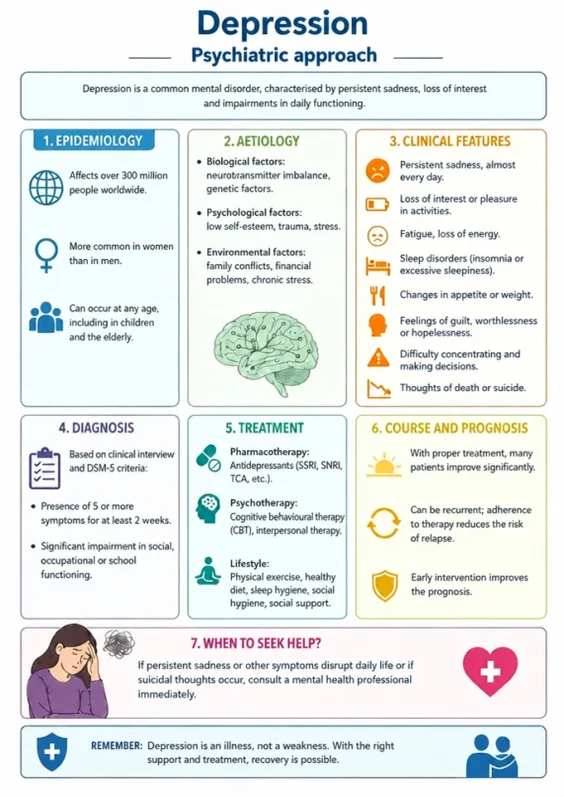
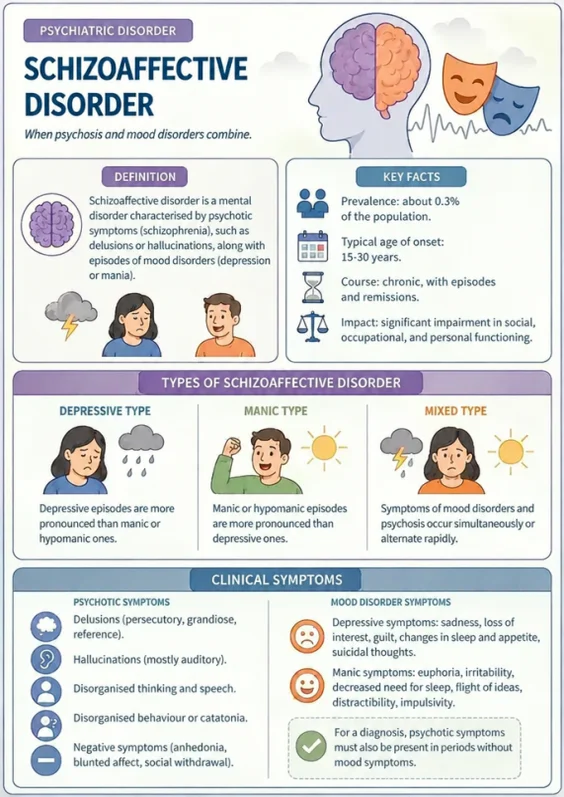
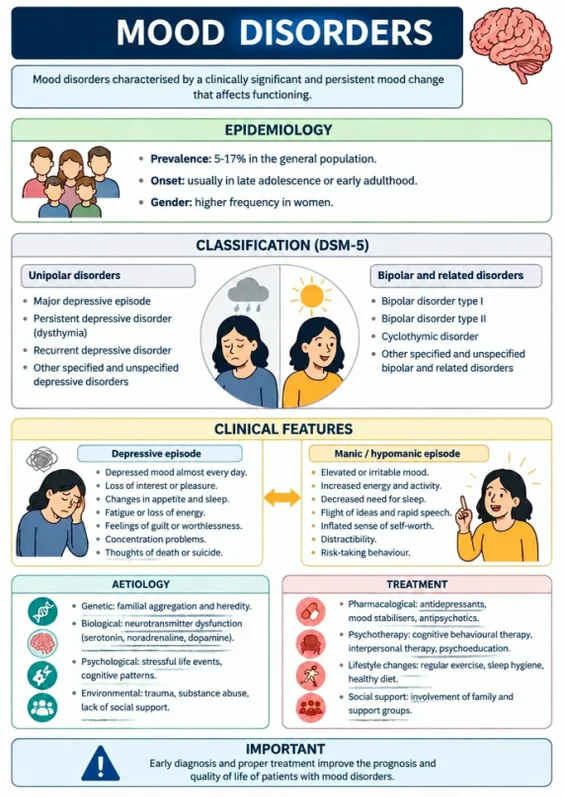
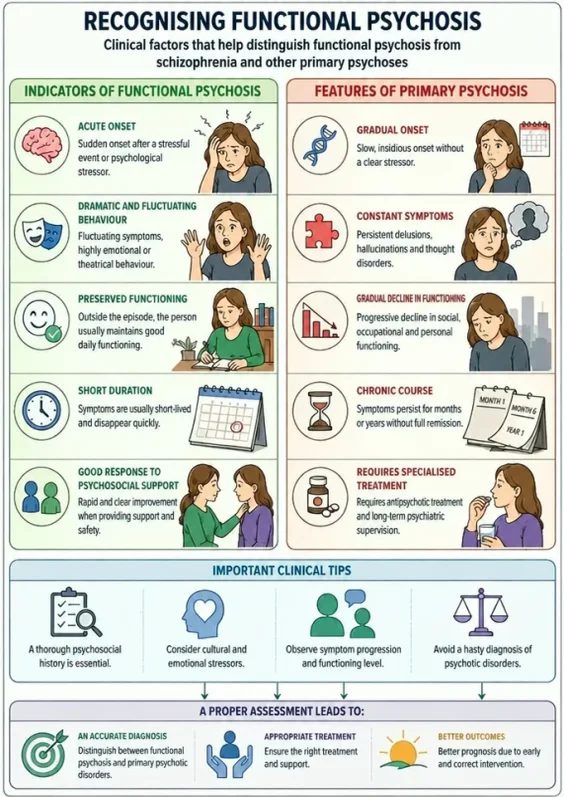
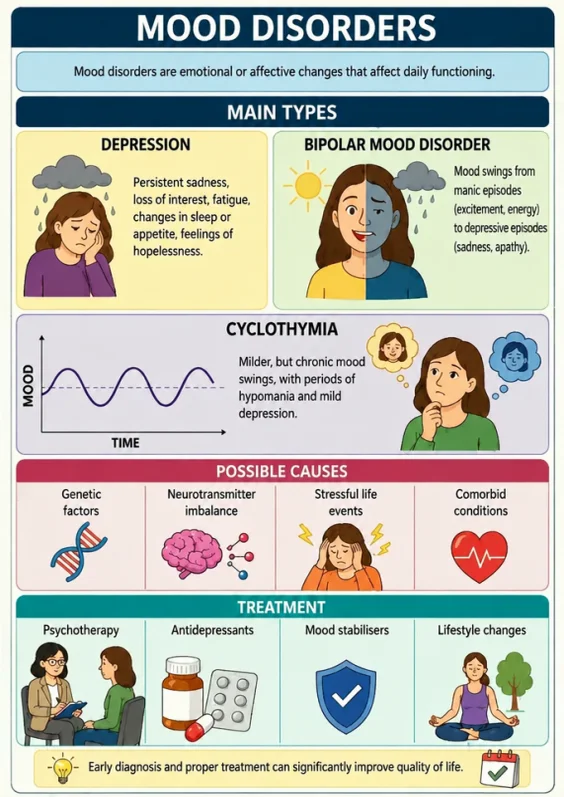
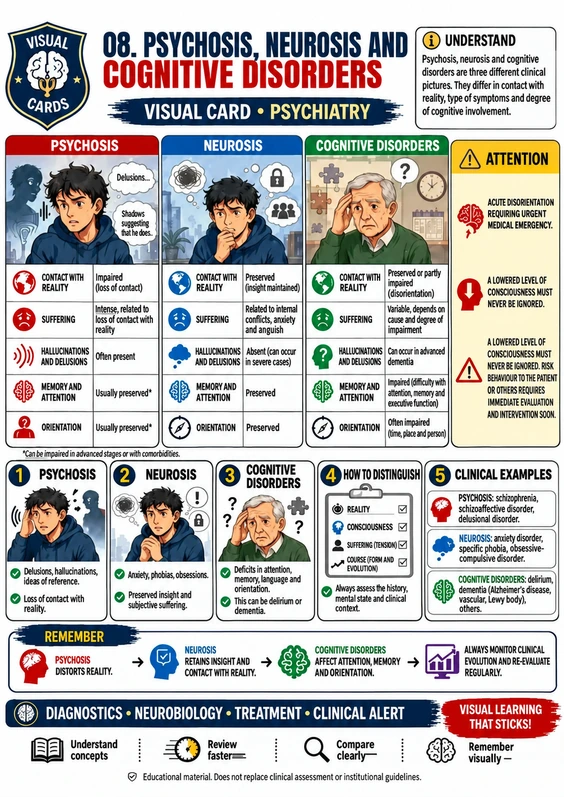
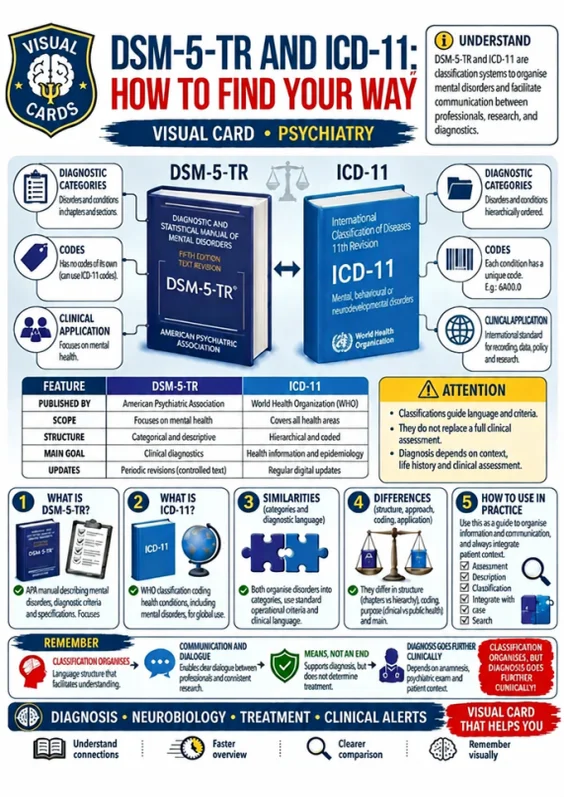
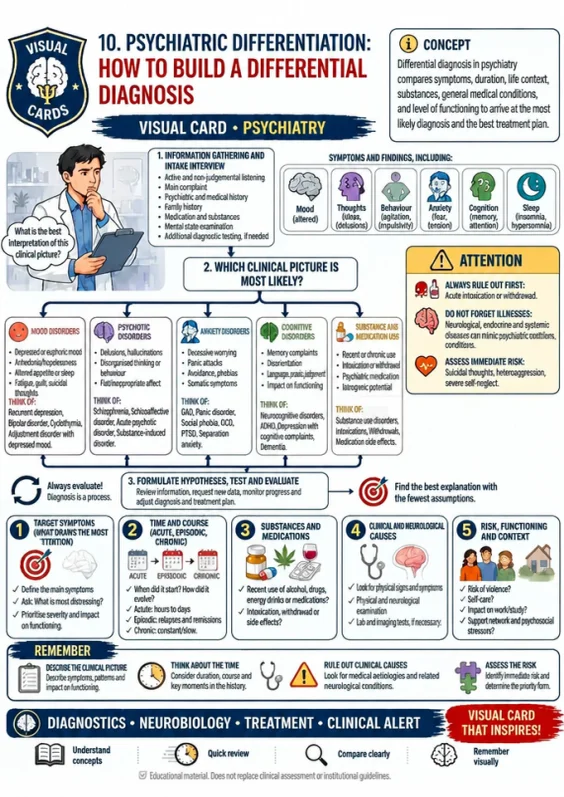
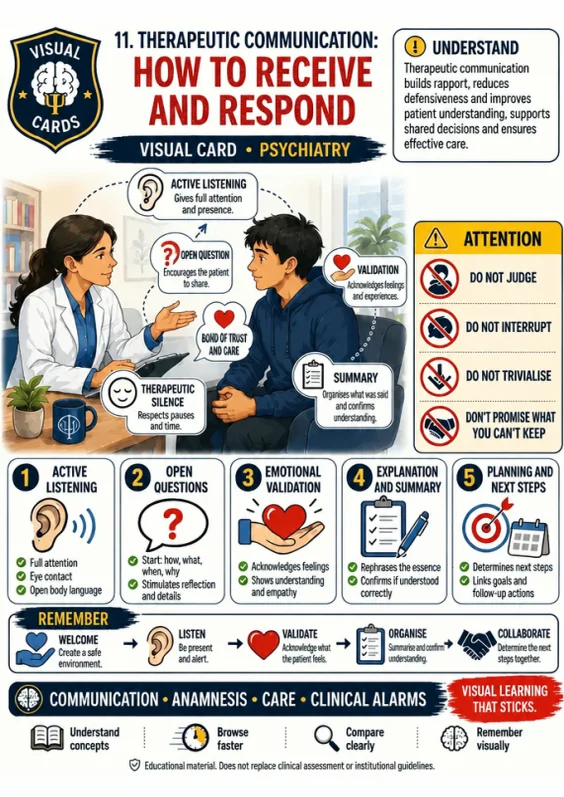
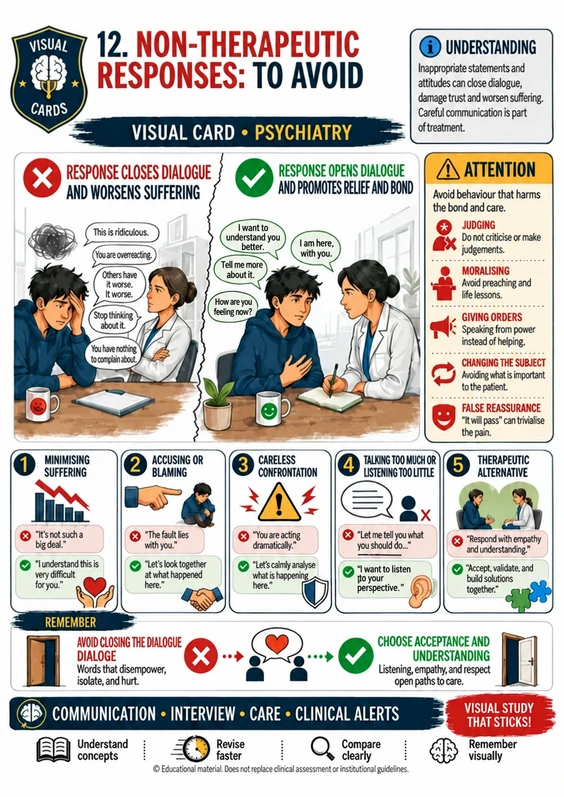
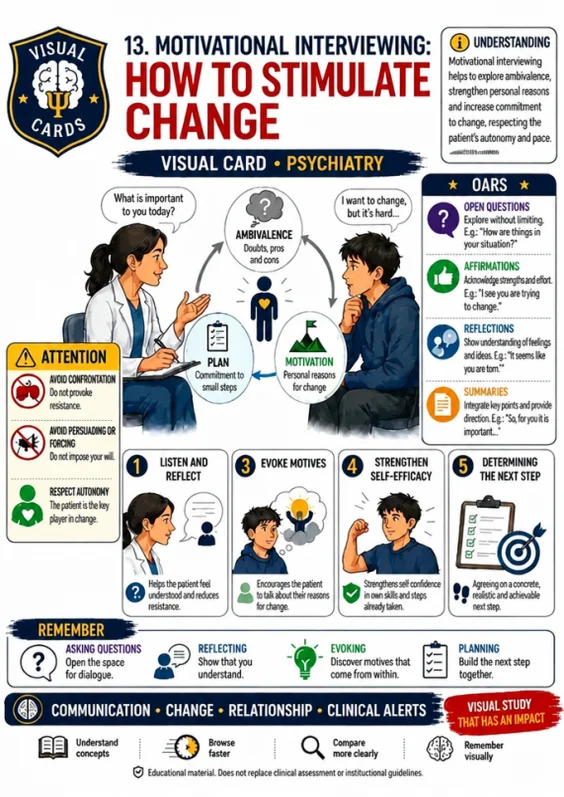
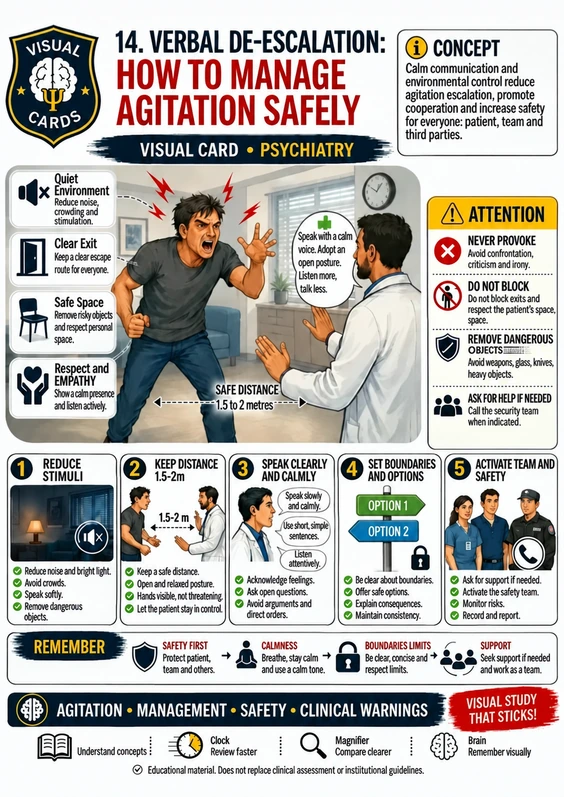
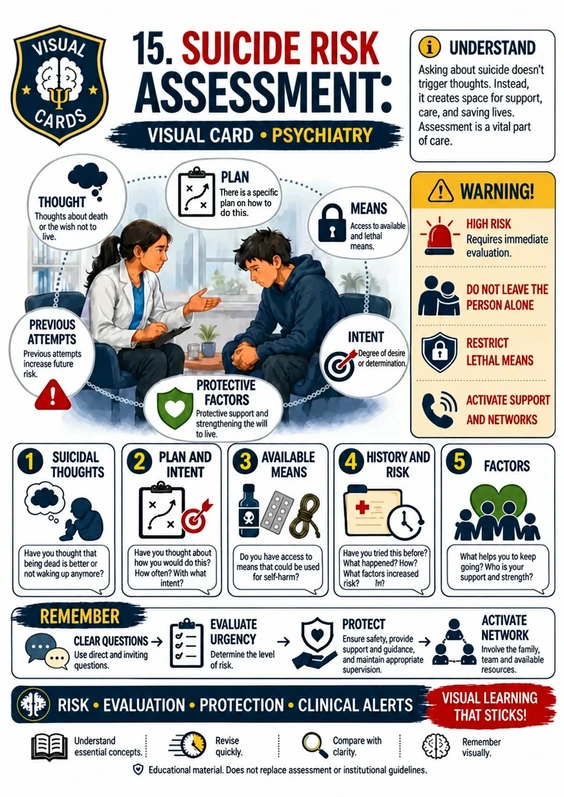
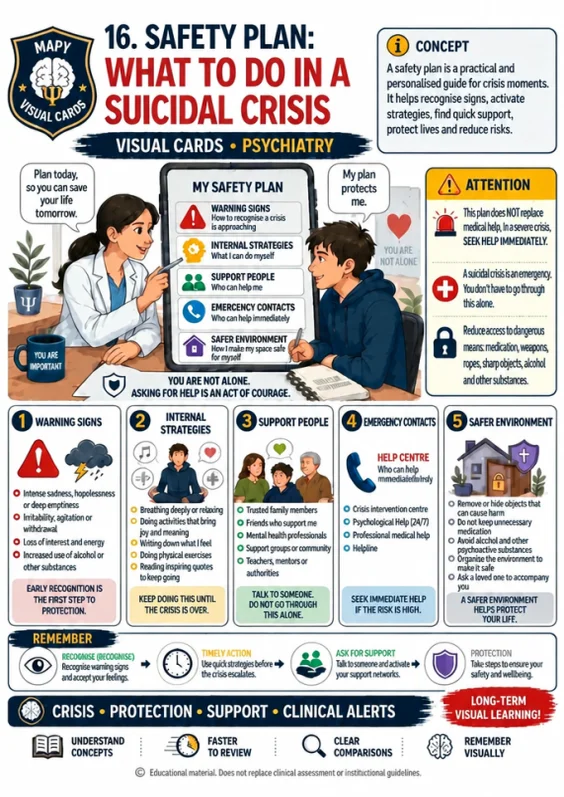
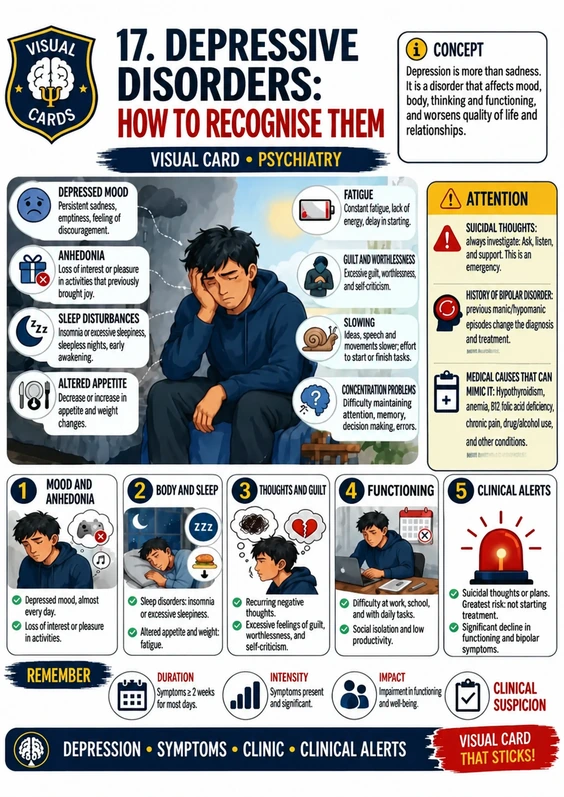
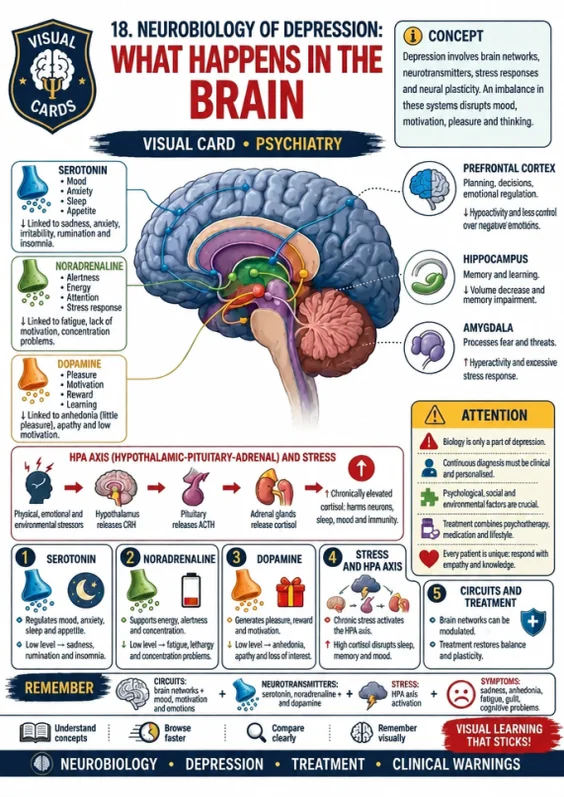
FULL CONTENT
The material is divided into 15 comprehensive modules, each with 10 cards.
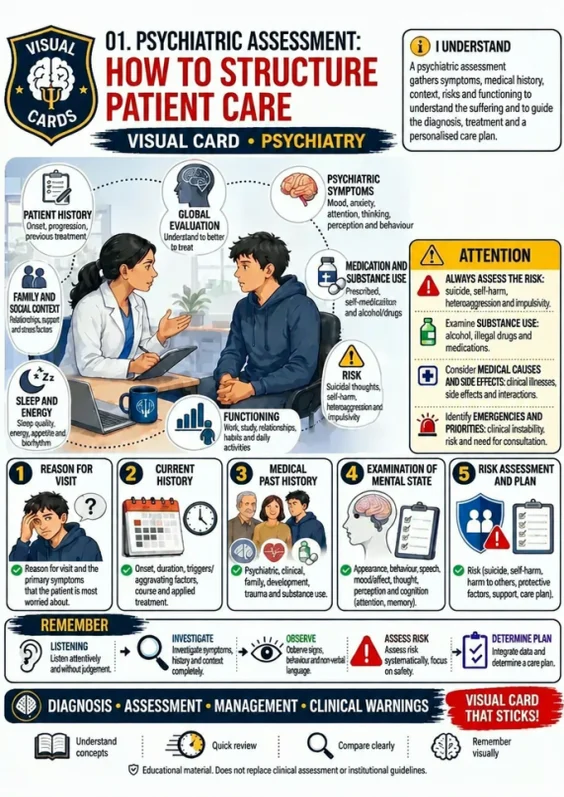
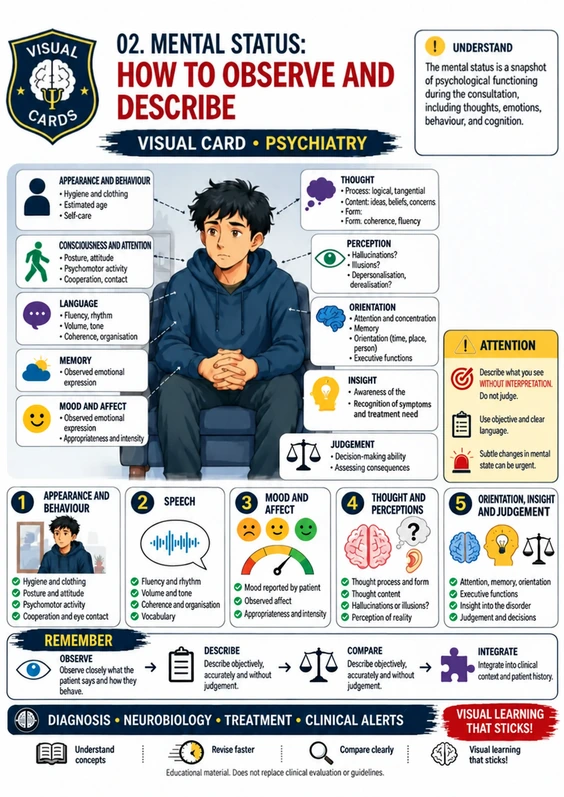
Psychiatric assessment, psychiatric examination, consciousness, attention, thought, perception, mood, affect, insight, judgement, DSM-5-TR, ICD-11, and diagnostic reasoning.
DIGITAL ACCESS · 10 CARDS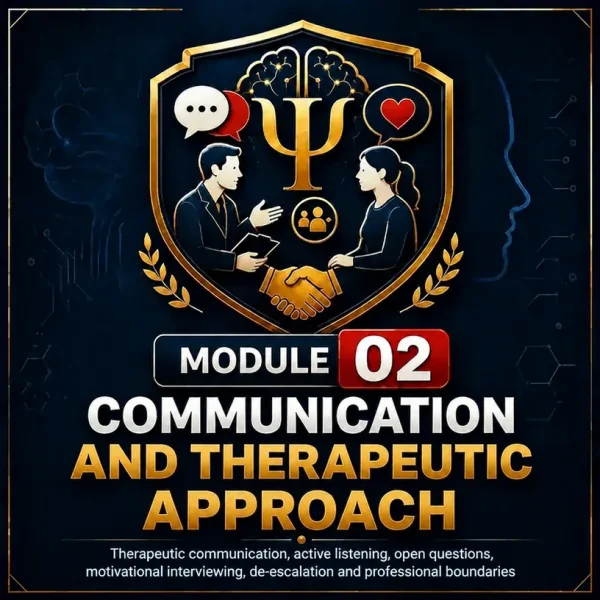
Therapeutic communication, active listening, open questions, therapeutic relationship, motivational interviewing, the agitated patient, de-escalation, and professional boundaries.
DIGITAL ACCESS · 10 CARDS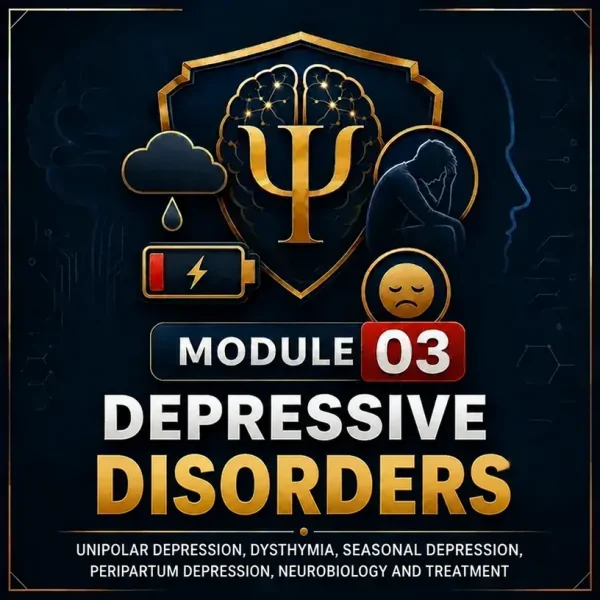
Major depressive disorder, criteria, neurobiology, dysthymia, seasonal and peripartum depression, differential diagnosis, and treatment.
DIGITAL ACCESS · 10 CARDS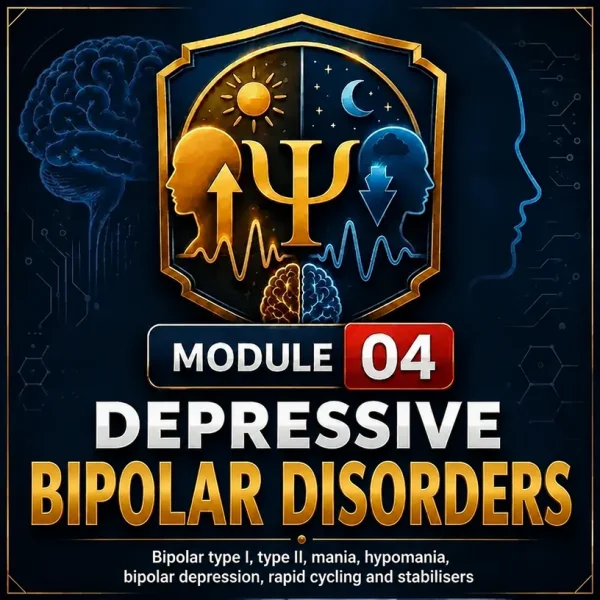
Bipolar I and II disorder, mania, hypomania, bipolar depression, mixed features, rapid cycling, neurobiology, and mood stabilisers.
DIGITAL ACCESS · 10 CARDS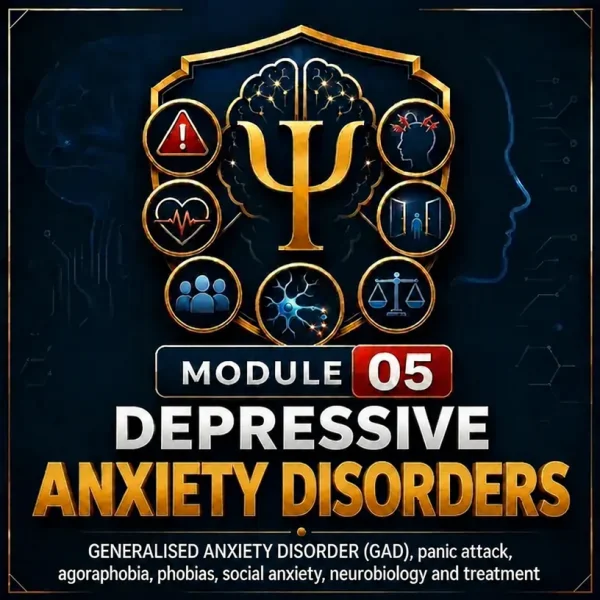
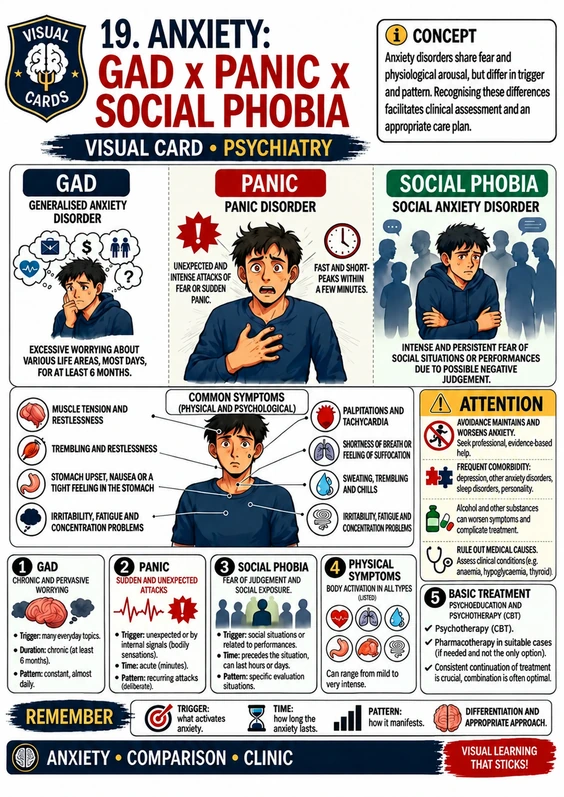
Generalised anxiety disorder, panic disorder, panic attack, agoraphobia, phobias, social anxiety, neurobiology, and treatment.
DIGITAL ACCESS · 10 CARDS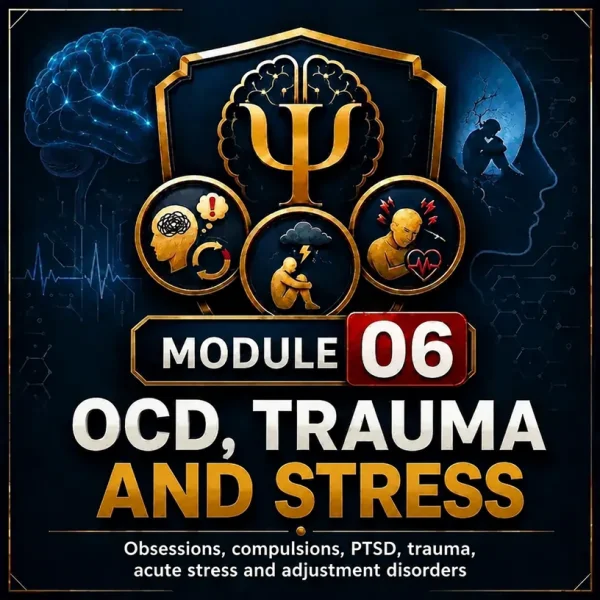
Obsessive-compulsive disorder, obsessions, compulsions, brain circuits, PTSD, trauma, acute stress reaction, and adjustment disorders.
DIGITAL ACCESS · 10 CARDS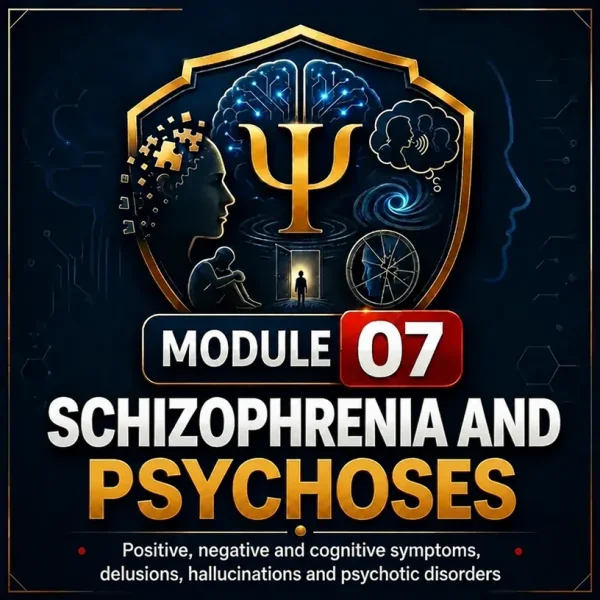
Schizophrenia, positive, negative, and cognitive symptoms, delusions, hallucinations, schizoaffective disorder, and other psychotic disorders.
DIGITAL ACCESS · 10 CARDS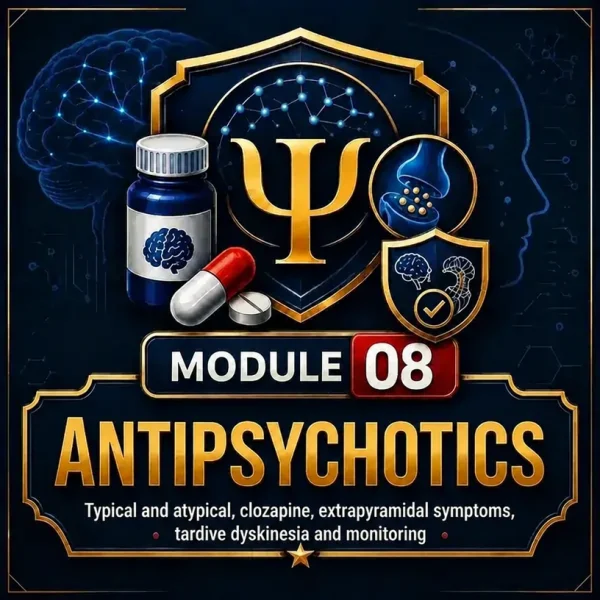
First and second-generation antipsychotics, clozapine, extrapyramidal symptoms, tardive dyskinesia, neuroleptic malignant syndrome, and treatment monitoring.
DIGITAL ACCESS · 10 CARDS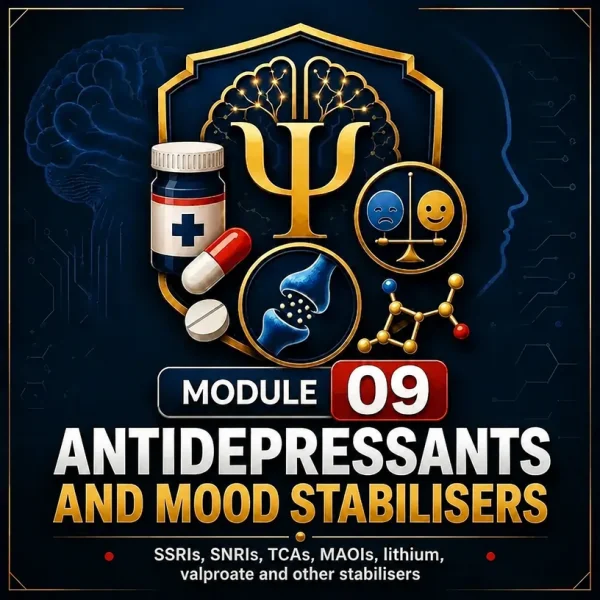
SSRIs, SNRIs, tricyclic antidepressants, MAOIs, atypical antidepressants, serotonin syndrome, lithium, valproate, and other mood stabilisers.
DIGITAL ACCESS · 10 CARDS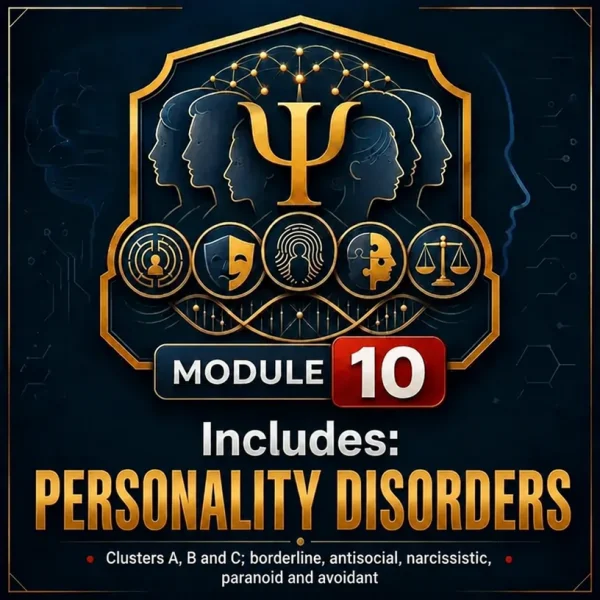
Cluster A, B, and C, borderline, antisocial, narcissistic, histrionic, paranoid, schizoid, avoidant, and dependent personality disorders.
DIGITAL ACCESS · 10 CARDS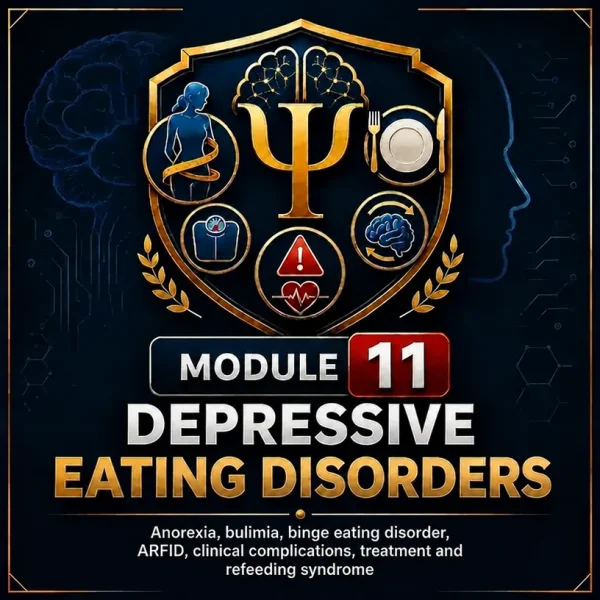
Anorexia, bulimia, binge eating disorder, ARFID, clinical complications, metabolic disorders, treatment, and refeeding syndrome.
DIGITAL ACCESS · 10 CARDS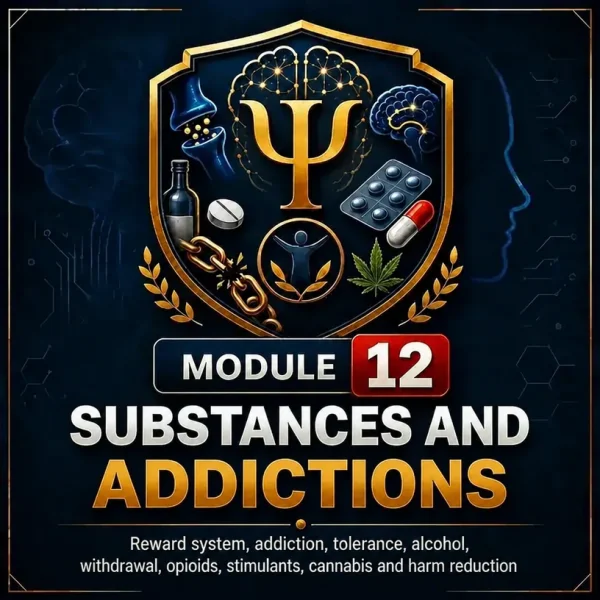
Reward system, addiction, tolerance, alcohol, withdrawal syndrome, delirium tremens, opioids, stimulants, cannabis, and harm reduction.
DIGITAL ACCESS · 10 CARDS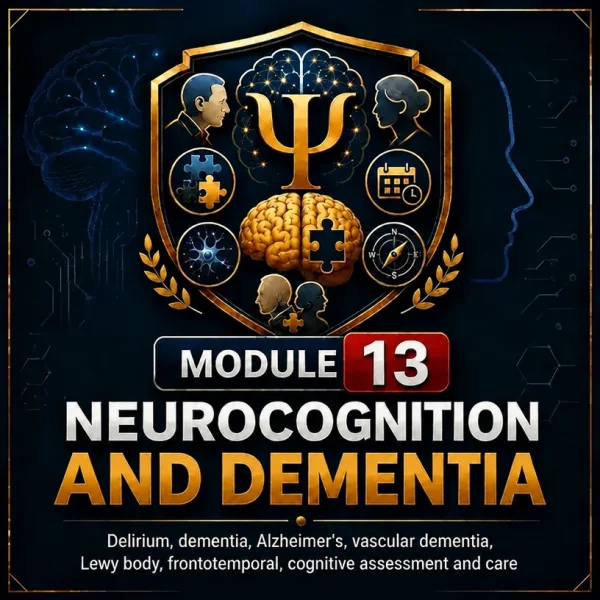
Delirium, dementia, Alzheimer's disease, vascular dementia, Lewy body dementia, and frontotemporal dementia, cognitive assessment, and care.
DIGITAL ACCESS · 10 CARDS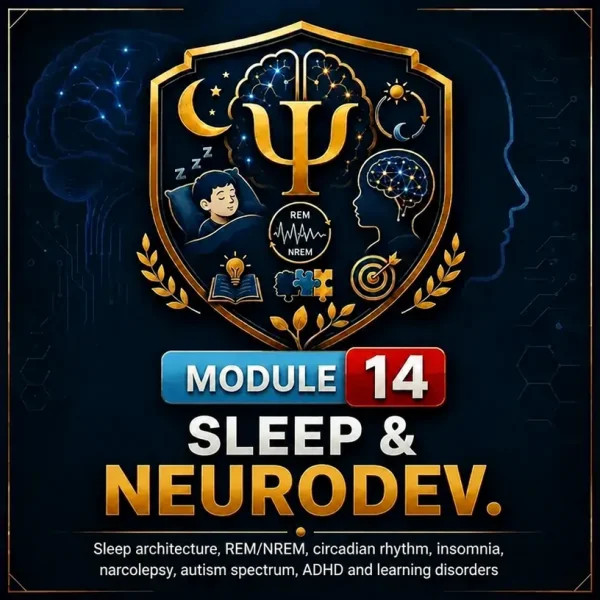
Sleep architecture, REM and NREM stages, circadian rhythm, insomnia, narcolepsy, parasomnias, autism spectrum, ADHD and learning disorders.
DIGITAL ACCESS · 10 CARDS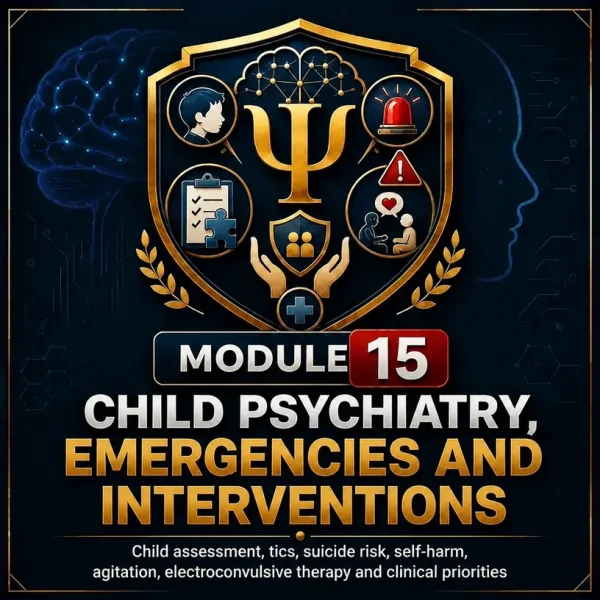
Child assessment, tics, suicide risk, self-harm, agitation, psychiatric emergencies, electroconvulsive therapy and clinical priorities.
DIGITAL ACCESS · 10 CARDSGALLERY
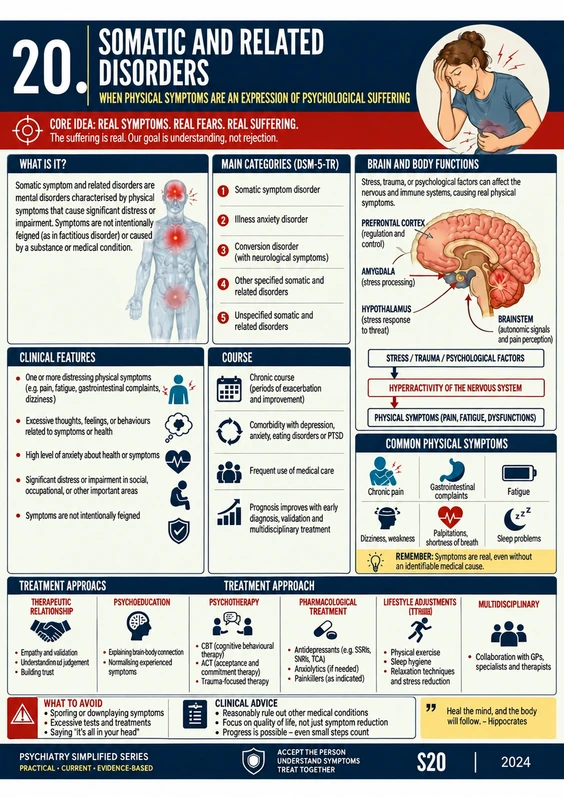
You don't have to imagine what the cards look like. Here you can see the structure, illustrations and level of detail.
WHO IT IS FOR
You don't have to give up your books or lectures. The cards help you structure your knowledge and revise in a much more practical way.
SPECIAL OFFER
Once you get access, you'll receive the complete main material digitally and can always refer back to it whenever you need it.
I WANT TO GET ACCESS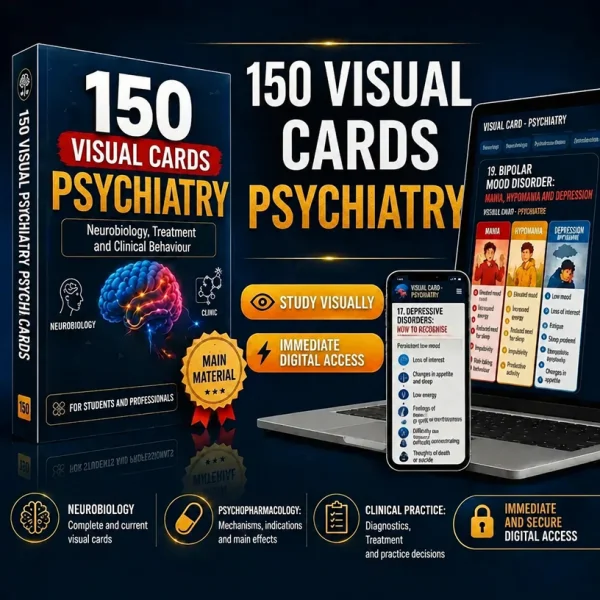
EVERYTHING STRUCTURED
The cards are available digitally, so you can use them whenever you need them. You'll find topics such as:
EXTRA MATERIAL
Five extra tools to support your revision, complementing the main set of 150 cards.
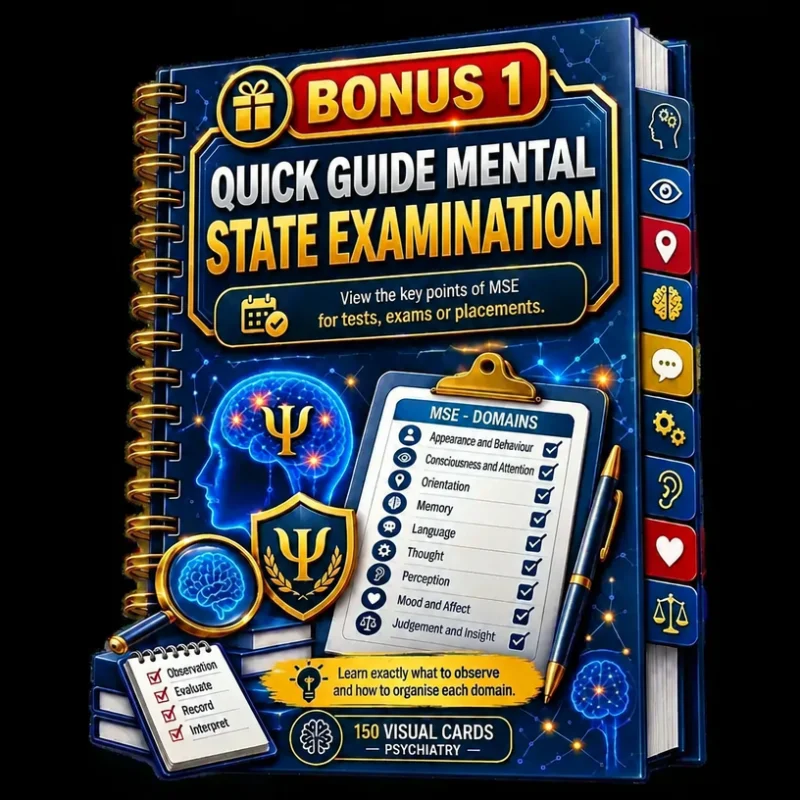
Handy material to revise the key areas of psychiatric assessment for a test, exam or placement.
YOU'LL LEARN WHAT TO OBSERVE AND HOW TO STRUCTURE EACH ASSESSMENT AREA.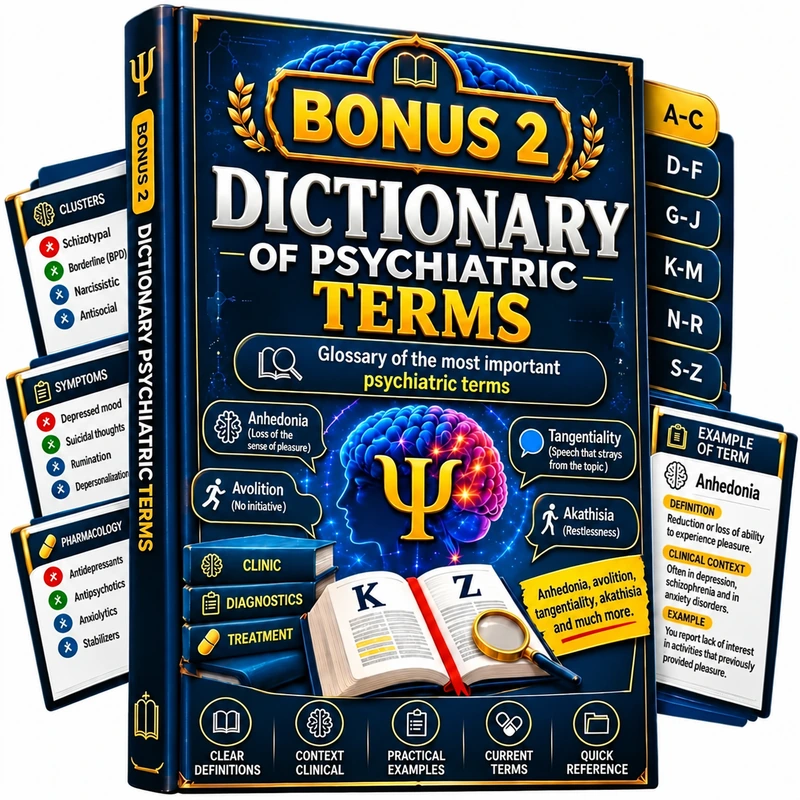
A glossary of the most important concepts in psychiatry, explained simply and directly.
ANHEDONIA, AVOLITION, TANGENTIALITY, AKATHISIA AND MANY OTHER CONCEPTS.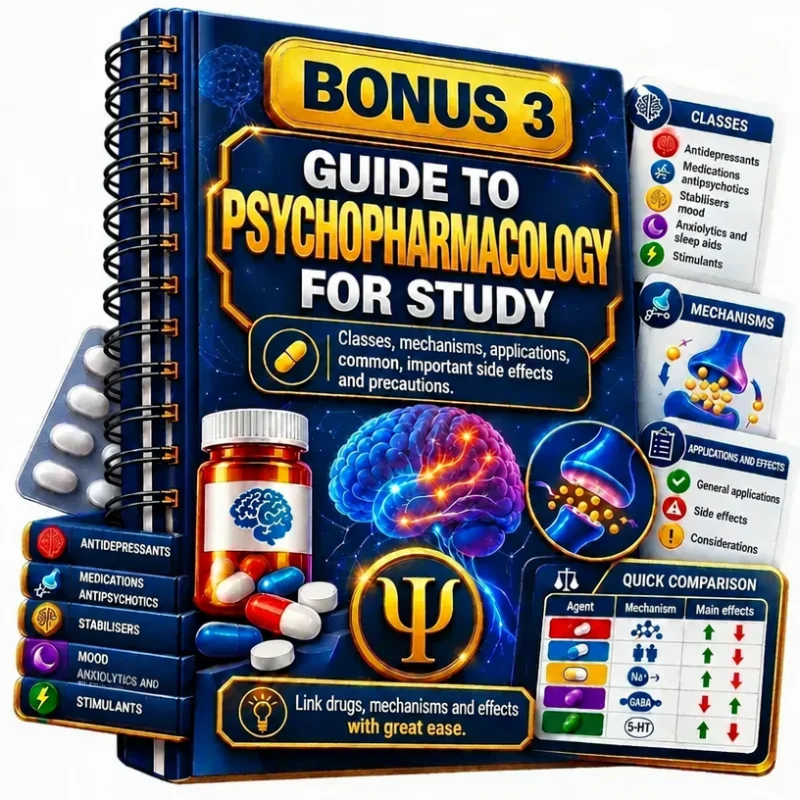
Drug classes, mechanisms of action, general uses, main side effects and key points — structured for easier learning.
YOU'LL EASILY LINK THE MEDICATION, ITS ACTION AND POSSIBLE EFFECTS.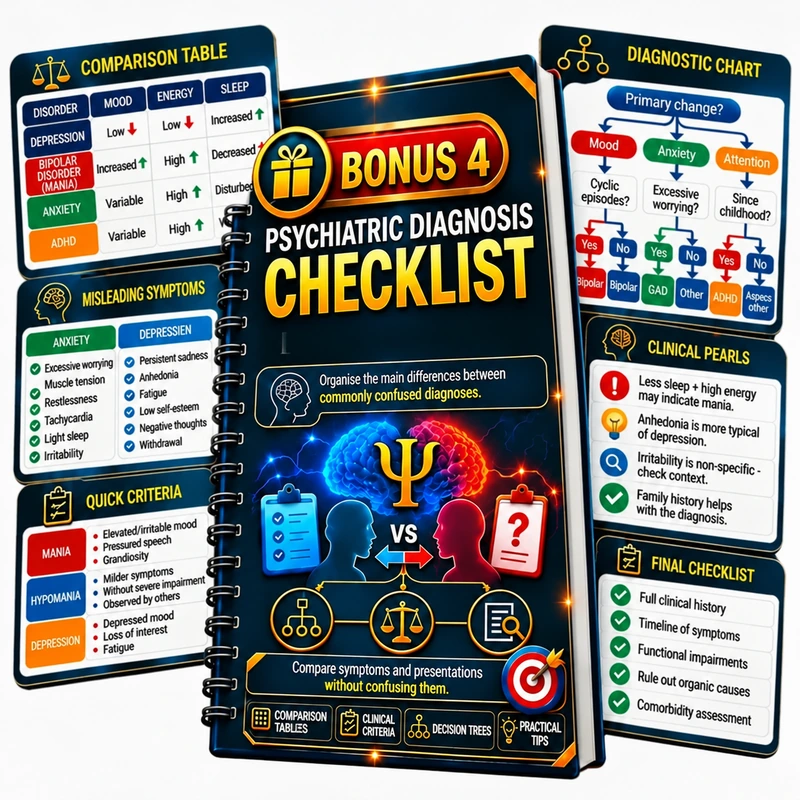
A tool to structure the main differences between clinical presentations that are easily confused.
COMPARE SYMPTOMS AND CLINICAL PRESENTATIONS WITHOUT CONFUSING DISORDERS.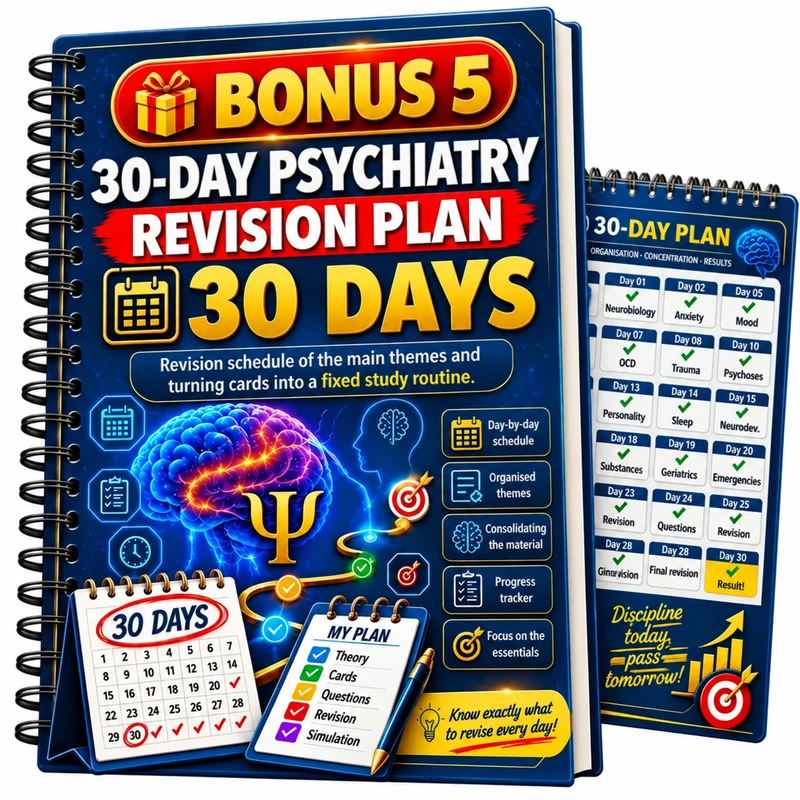
A plan to space out the main topics over time and use the cards in a structured revision routine.
YOU'LL KNOW EXACTLY WHAT TO REVISE EVERY DAY.STEP BY STEP
From your choice to opening the first mind map — just a few steps.
Choose full access to all 150 cards and bonuses.
After confirmation, you'll receive access instructions.
Open the material on your chosen device.
Use your mobile, tablet or PC.
Use the mind maps to learn, revise and remember.
USE CASES
Verified user reviews will appear here soon. Until then, we only show neutral examples of use.
Revise one topic on one mind map, without searching through countless chapters.
Revise a topicUSE CASECompare conditions that are easily confused.
Compare disordersUSE CASECombine diagnosis, symptoms, neurobiology and treatment in one overview.
Link topicsUSE CASEQuick refresher of the key info for your classes or placements.
Quick refresherUSE CASESPECIAL OFFER
Digital • Study material • Lifetime access to this edition
FULL ACCESS

30-DAY GUARANTEE
You have 30 days after confirmation to review the material. If it doesn't meet your expectations, you can request a refund within the guarantee period. Look first, then decide.
FAQ
Check the answers to the most important questions before you buy access.